Guided Tour Maison De La Reserve Espace Meteorite Rochechouart
|
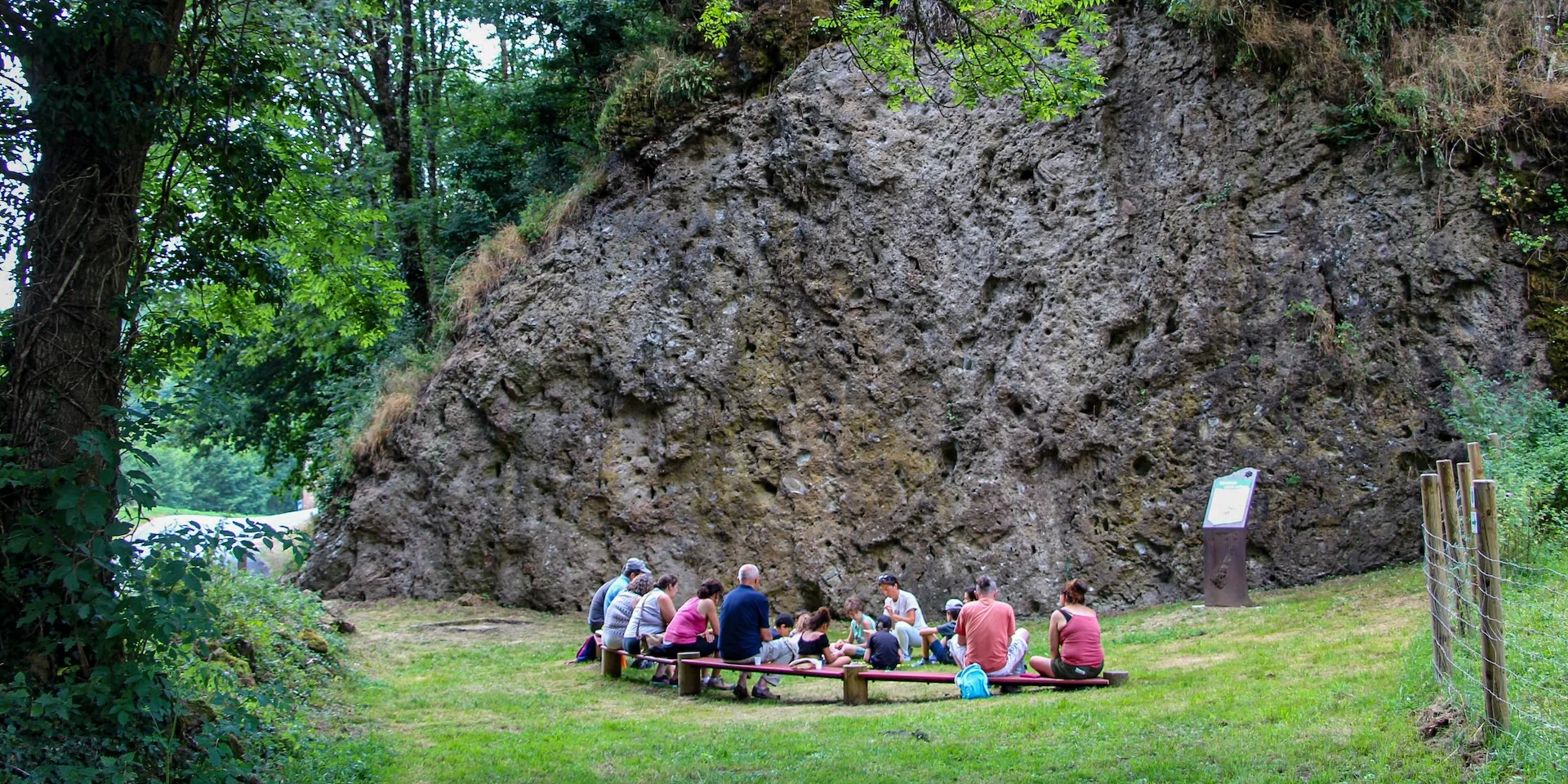
Astrobleme De Rochechouart
|
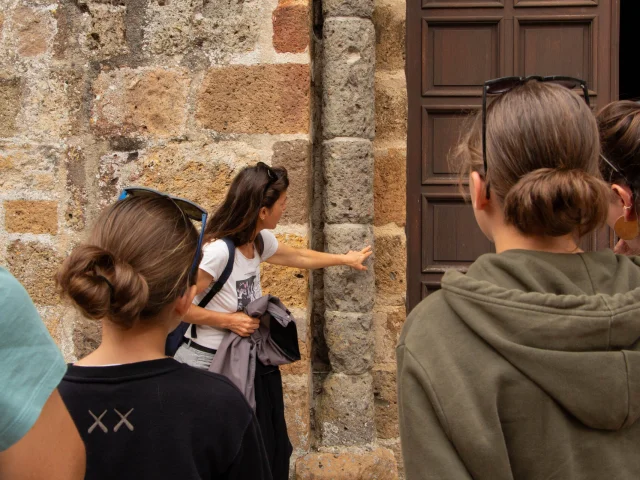
Guided Tour Maison De La Reserve Espace Meteorite Rochechouart
|
Around 206 million years ago, a meteorite several kilometres in diameter crashed into the Rochechouart region. At that time, the Earth was already inhabited by the first dinosaurs, still modest reptiles, a far cry from the T-Rex, but already very real 🦖
The impact was titanic: it transformed the rocks underneath into unique stones called impactites, which can still be seen today. The crater, several dozen kilometres wide, has disappeared from the landscape over time, but it is nevertheless the only meteorite impact site of this scale identified in France, known as the “astroblème”.
And the most unusual aspect of all? For centuries, these impactites were used as building stones in the surrounding villages, so you could be sleeping in a house built with a few stones from outer space, without even knowing it.
The Benedictines station in Limoges is not only one of the most beautiful in France: it’s also… a haven for bees 🐝. Beehives have been installed on its roof, away from the hustle and bustle, where the insects gather their food in peace while passengers catch their trains.
And why here? Because urban rooftops often offer more floral diversity than some agricultural areas! As a result, bees are quietly foraging in the surrounding parks, gardens and trees while, just below them, trains zip in and out of the station.
What about honey? Yes, honey does exist. The honey produced is not intended for traditional sale: it is harvested in small quantities and sometimes used as part of solidarity or environmental initiatives. A rare, symbolic, 100% Limousin honey 🍯
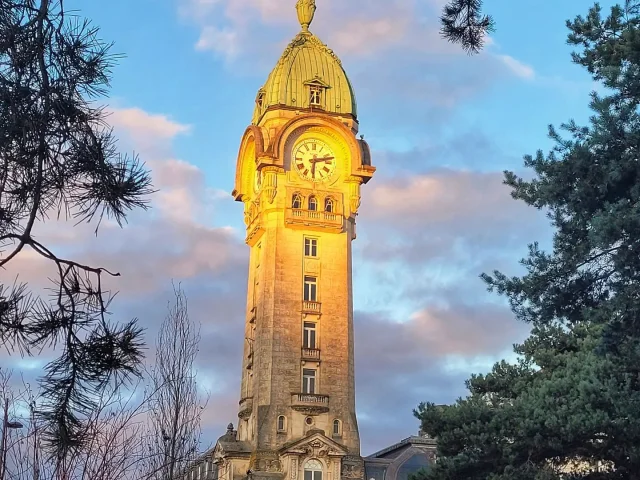
Gare De Limoges
|
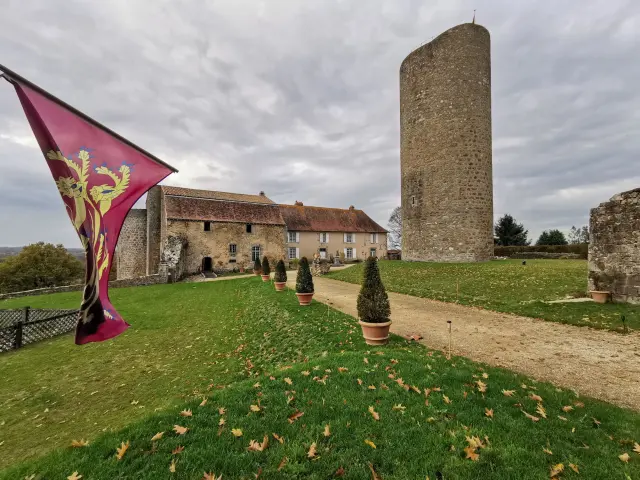
Chateau De Chalus Chabrol
|
And no, it’s not a local legend. Richard the Lionheart, King of England and a great figure of the Middle Ages, died here in Châlus in 1199. Hit by a crossbow bolt during the siege of the castle, he succumbed to his wounds a few days later. An unexpected end for a king accustomed to great battles… and great conquests. (By the way, you can follow his itinerary through the Haute-Vienne, on the Richard the Lionheart route).
The craziest? The Château de Châlus-Chabrol can still be seen today. You can still walk around this place where a page in European history was played out, in the heart of a peaceful Haute-Vienne landscape. Just goes to show that behind a quiet village lies a royal history 👑
Ah… by the way, if our English friends happen to be passing through: Richard the Lionheart was an English king by title, but actually French in everything else. He grew up and spent most of his time in France and spoke French (langue d’oïl), not English. Désolé les gars 😜
It’s in the cemetery of Saint-Yrieix that the story begins, not in a fancy laboratory. Surgeon Jean-Baptiste Darnet noticed a strange phenomenon: the deeper he dug, the whiter the clay became. Intrigued, he takes samples and, after several manipulations, obtains an incredibly pure substance.
Except that the stakes were high: at the time, Louis XV was obsessed with the secret of “hard pastes” and couldn’t bear France being outdone by Prussia. Darnet thought he had got his hands on the famous white treasure, and already saw himself as rich and glorious.
He entrusted his discovery to his friend Villaris, whom he had met during the Flanders campaign. But Villaris, aware of the value of the kaolin, advises Darnet to keep it a secret… and then ends up using the “secret” to his own advantage.
This discovery was to change the future of Limoges: kaolin was the source of porcelain, and it was thanks to kaolin that the city became the world capital of the art of fire, renowned the world over 🔥
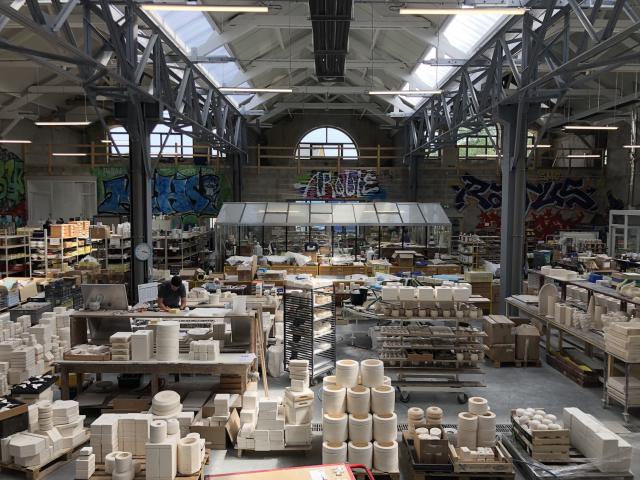
Atelier Arquie Porcelaine Limoges
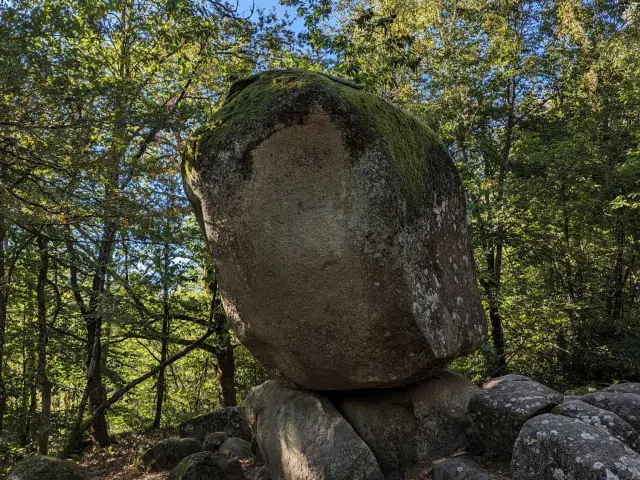
Pierre Branlante Dans Les Monts De Blond
|
In the Monts de Blond, some stones have decided to do things differently from others. The Pierre Branlante is a huge block of granite weighing around 120 tonnes, balanced in such an improbable way that, with a little force, it can be made to sway 🪨 Enough to make your ego swell!
For a long time, it was used as an improvised judge: if the accused managed to make it move, he was innocent. Not very scientific, but formidably effective for settling a debate.
It’s a bit like our very own Excalibur Rock! ⚔️
The lake at Vassivière hides much more than pretty beaches and calm waters. Beneath its surface lies an ancient village, swallowed up in the 1950s when this artificial lake was created to generate electricity. Roads, low walls and foundations are still there, invisible but very much present. And when the water level drops, some of the remains resurface, like a reminder of the past 🌊
But that’s not all. On the island of Vassivière also sits a lighthouse. It doesn’t guide lost boats, but it has become one of the site’s most unusual symbols.
And to complete the picture: a submarine is also on display by the lake. No secret mission here, but a surprising reminder to be wary of sleeping water 🤫
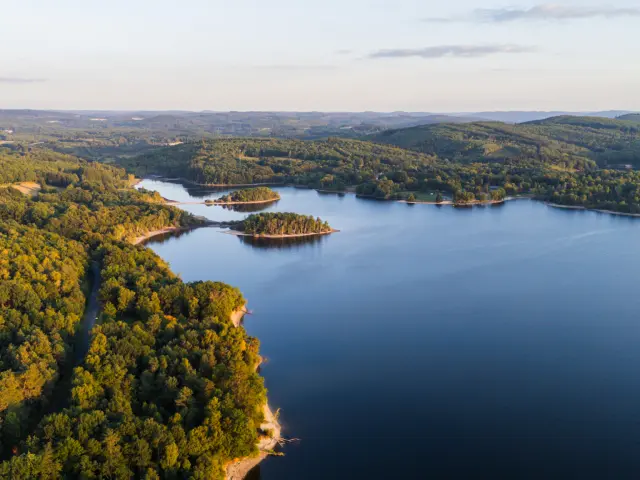
Vassiviere From Heaven
|
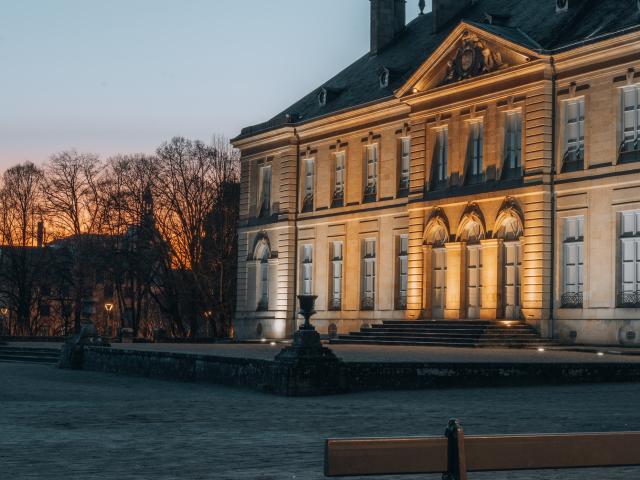
Musee Des Beaux Arts Limoges
|
Long before roads, railway stations and quiet villages, the Haute-Vienne was already a major strategic area ⚔️
Saint-Denis-des-Murs was home to one of the largest oppidums in Gaul: a huge Gallic fortified town perched on a rocky promontory and capable of housing thousands of inhabitants.
This was no simple camp, but a real centre of life, commerce and power, protected by impressive ramparts that are hardly visible today (except with an expert eye).
Fortunately, many period artefacts are preserved in the Musée des Beaux-Arts in Limoges. On the same theme, you can also visit the Lémovice Guy Lintz archaeological museum, which features a Gallic collection acquired after a decade of excavations in Saint-Gence.
We all know Coco Chanel, world fashion icon 🪡
But we know less of Adrienne Chanel, her aunt, who nevertheless left her mark on her life.
Adrienne, married to Baron Maurice de Nexon, lived in Haute-Vienne and had a very close relationship with Coco. Some anecdotes even say that they were so close that they passed themselves off as sisters, which is no mean feat when you consider how much Coco liked to control her image.
Today, Adrienne rests in the chapel in the grounds of the Château de Nexon (see photo opposite), alongside the family, as a discreet but real page in a story that has become legend. You can visit the park free of charge.
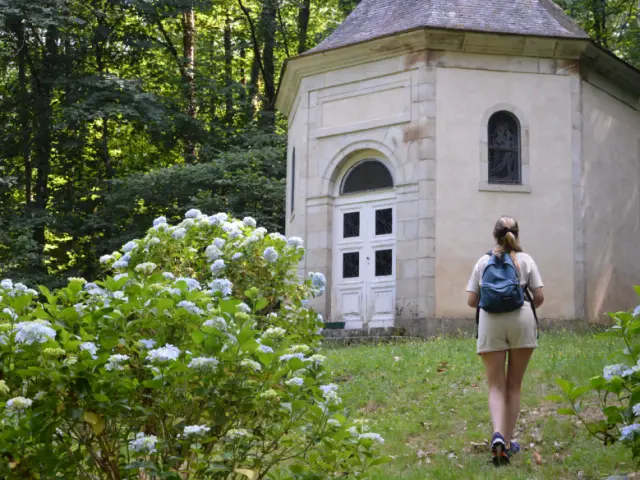
Chapelle Parc Du Chateau De Nexon
|
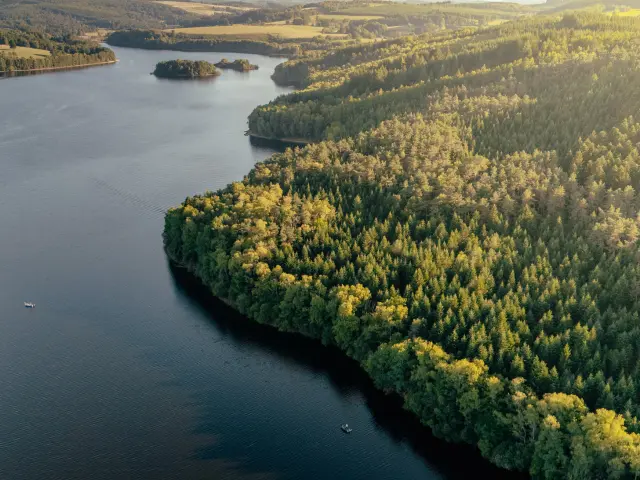
Foret Et Lac Limousin
|
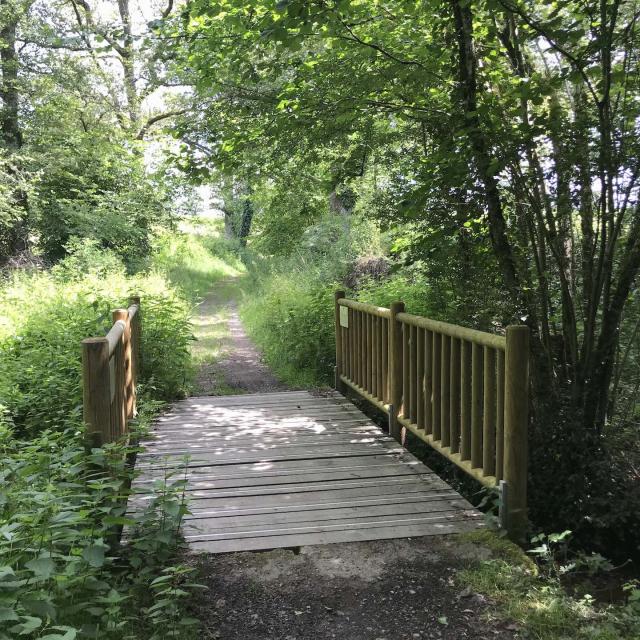
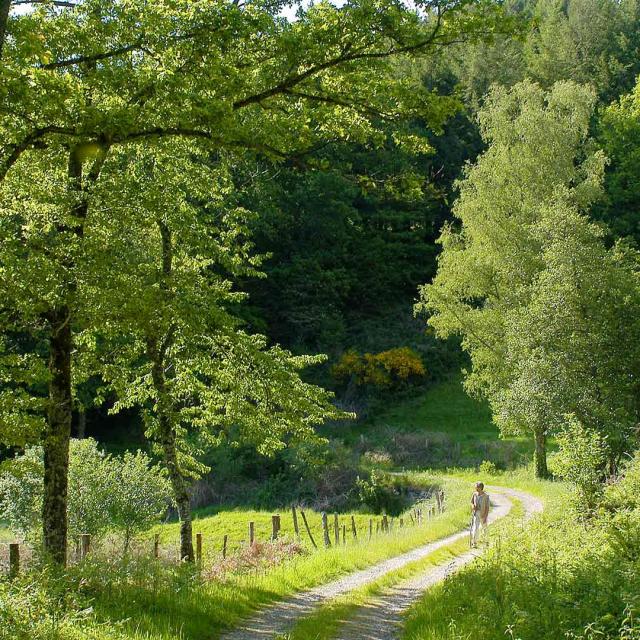
In Haute-Vienne, the forest covers almost 25% of the territory. In other words: here, nature isn’t an option, it’s a given. You can drive through entire landscapes without coming across any buildings, just trees and silence 🧘
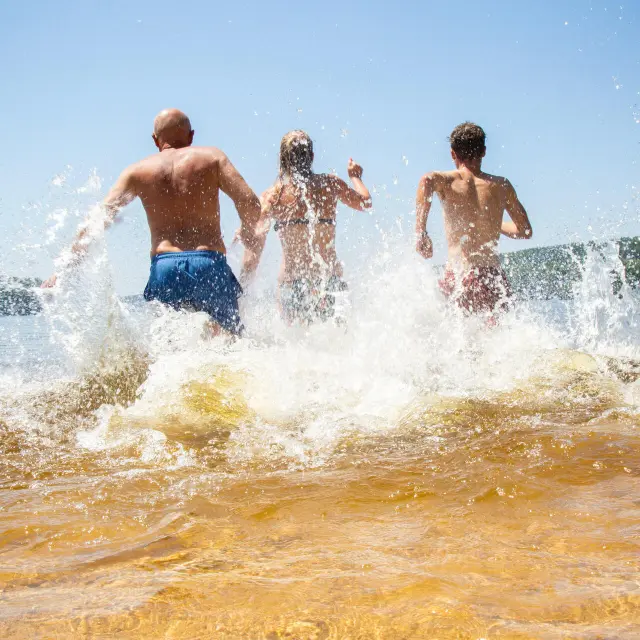
And that’s not all: Haute-Vienne has around 12,800 lakes and ponds. Yes, you read that right: 12,800.
So if you like water, walking, fishing or just plain peace and quiet, you’ve come to the right place.
During the Second World War, Mont Gargan became a strategic location for the Resistance. Its dense forest, isolated ridges and steep paths made it an ideal place to hide… and to resist 🌲
The maquisards set up camps and hideouts here, often in very discreet places: caves, rocky hollows, natural shelters, or even hiding places built into the vegetation. These sites were used to store food, weapons and equipment, but also to shelter fleeing Resistance fighters or parachute drops.
Mont Gargan was also a coordination point for sabotage operations, thanks to its isolation and its ability to conceal movements. Several eyewitness accounts mention clandestine gatherings, meetings of FTP (Francs-tireurs et partisans) groups, and missions to support intelligence networks.
Today, as you wander through the forest, you can still find traces of these former hiding places, sometimes marked out by markers, sometimes simply visible to the most attentive eyes.
It’s a powerful reminder that, here, nature served as a land of freedom, and the peaceful landscapes hide stories of courage, clandestinity… and survival.