©

Mortemart Plus Beaux Village De France

MortemartMost beautiful village in France
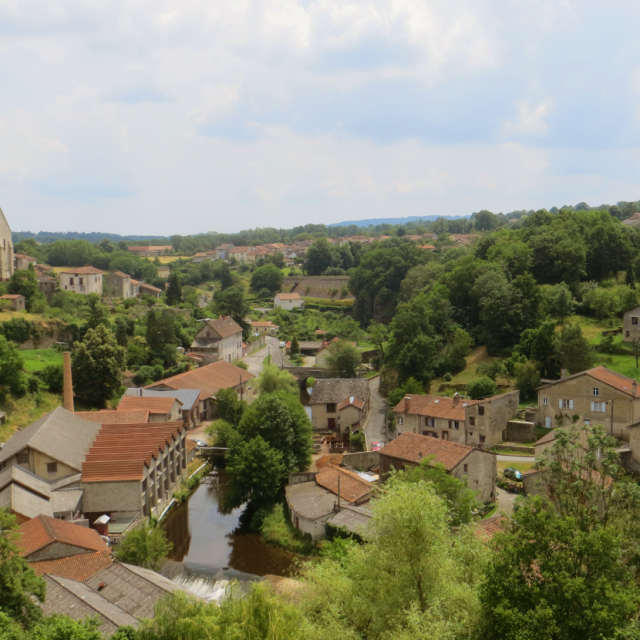
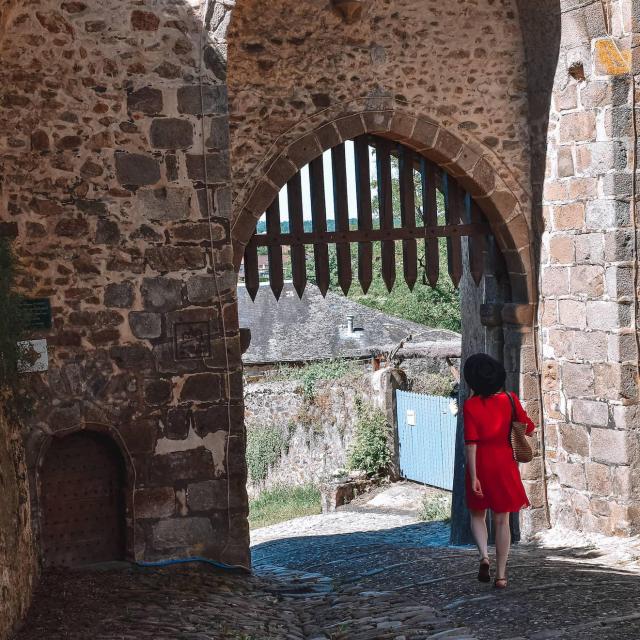
The only commune in the Haute-Vienne department to be classified as “One of the Most Beautiful Villages in France”, Mortemart is rich in the vestiges of its glorious past, and boasts an imposing architectural ensemble of great purity of line. The town of Mortemart is built around a castle that Abon Drut, Lord of Mortemart, was authorised to build in 995 after victoriously defending the town of Bellac against Count Guillaume de Poitiers. In 1330, Cardinal Pierre Gauvain, a native of Mortemart, founded three convents, including the Hôtel-Dieu, which boasts a monumental 17th-century staircase, as well as a college. The former chapel is now the parish church, which houses some very fine 15th-century carved choir stalls, as well as an altarpiece, paintings on wood and a 17th-century gilded wooden lectern.

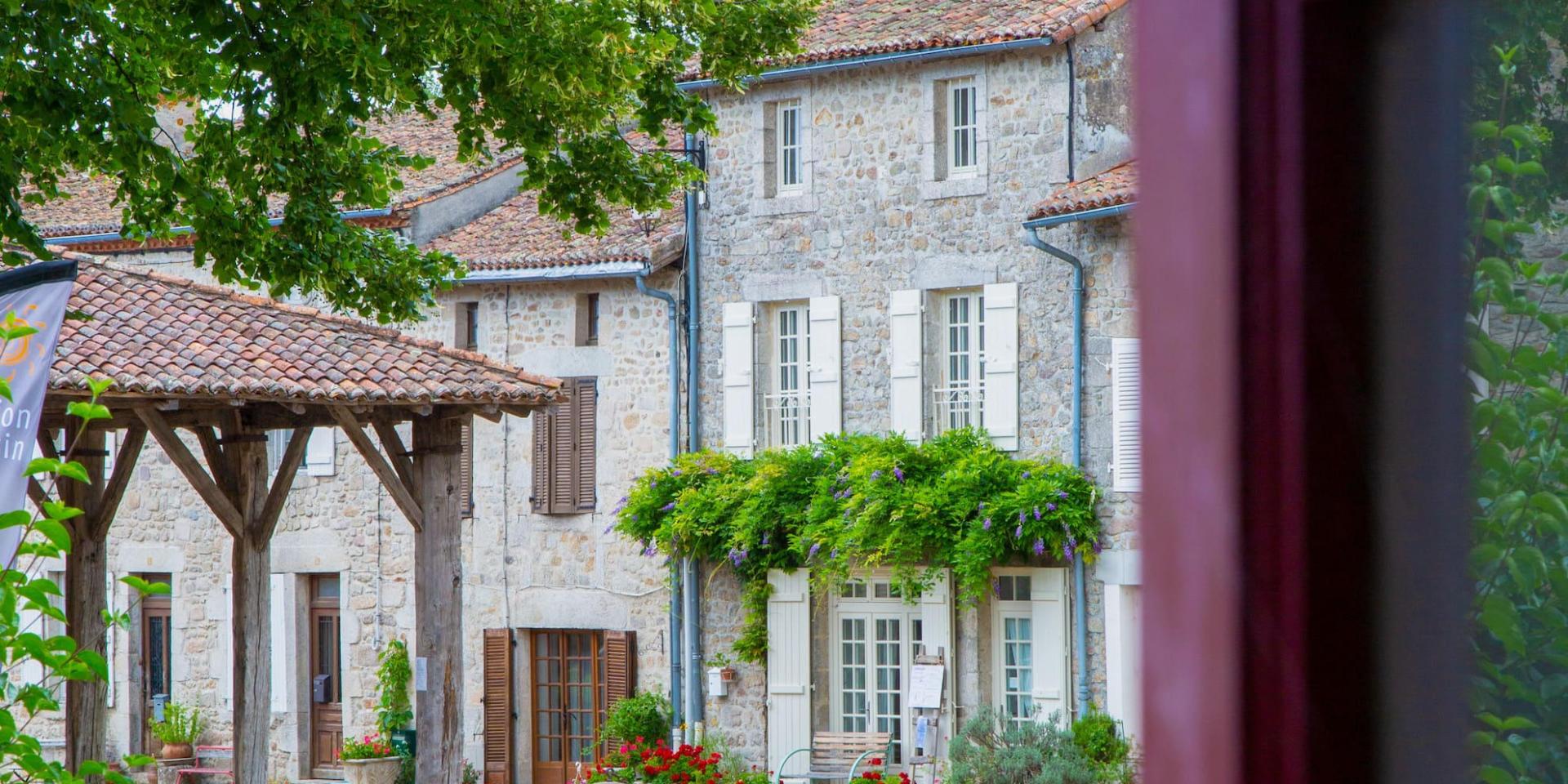
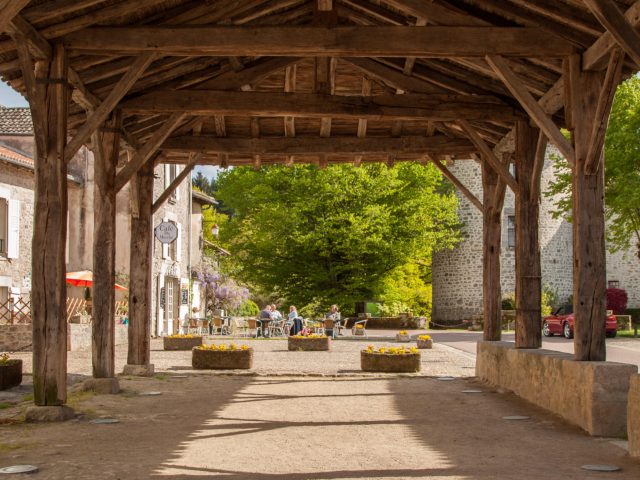
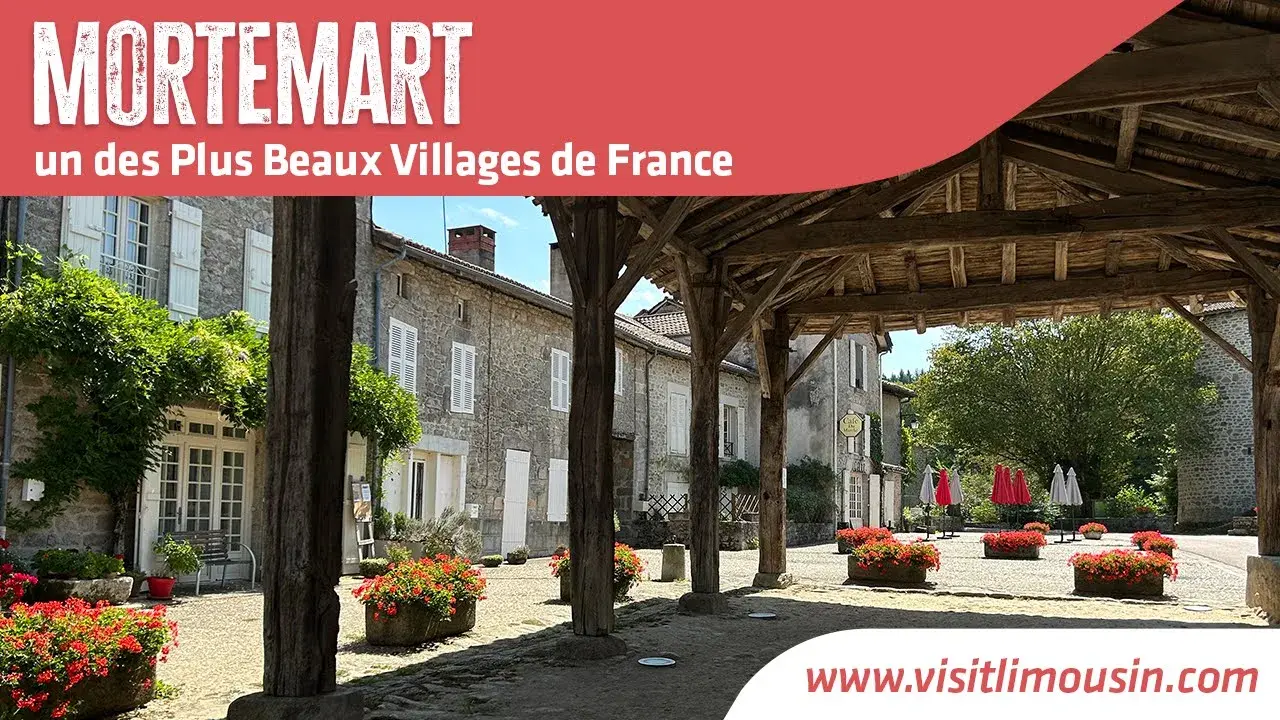
The 18th-century market hall

The hall may well date back to the introduction of fairs and markets in the early 18th century by Louis II de Rochechouart, Duke of Mortemart. Rectangular in plan and open, it is made up of twelve square oak posts distributed along its long sides, defining a single aisle of five bays covered by a hipped roof.

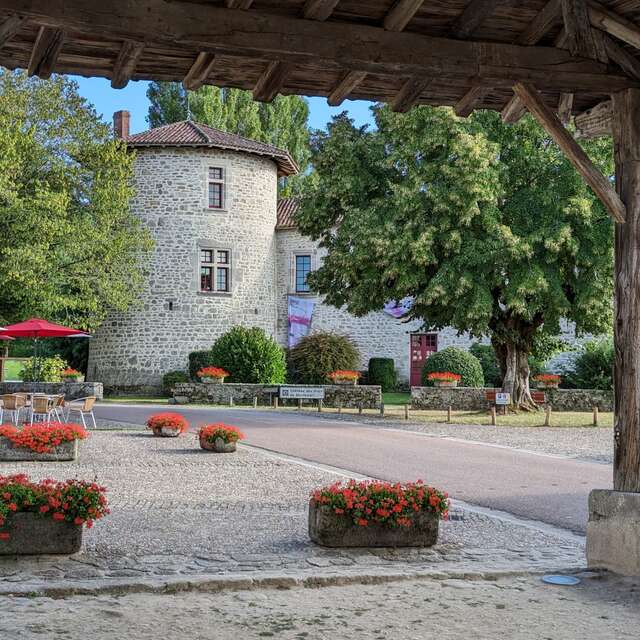
The Château des Ducs, in the heart of the village...

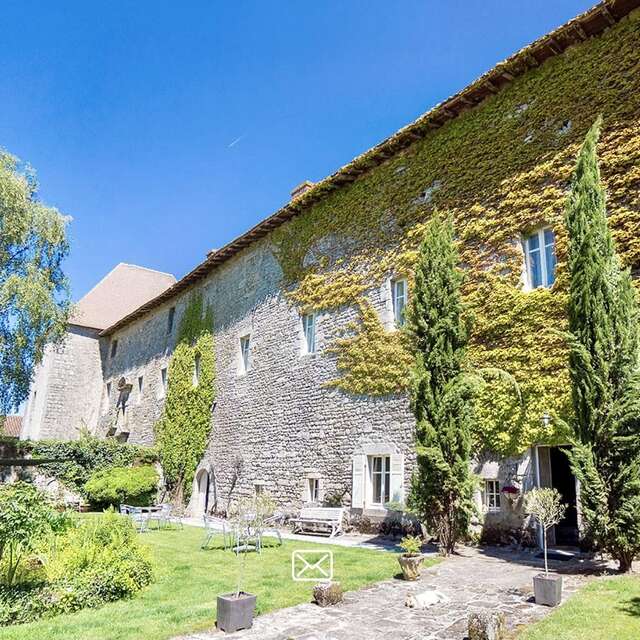
The Château des Ducs features a main building with two round towers forming a quadrilateral. The complex was surrounded by a moat, which still exists to the east and west, fed by water from a pond. Although the castle can no longer be visited, you can still walk around the moat along a peaceful path.

Mortemart : un des Plus Beaux Villages de France en Haute‑Vienne

Why is Mortemart a must-see?

This small village, with the vestiges of its glorious past, offers a dozen points of interest. Don’t forget to take a bucolic stroll along the castle moat…

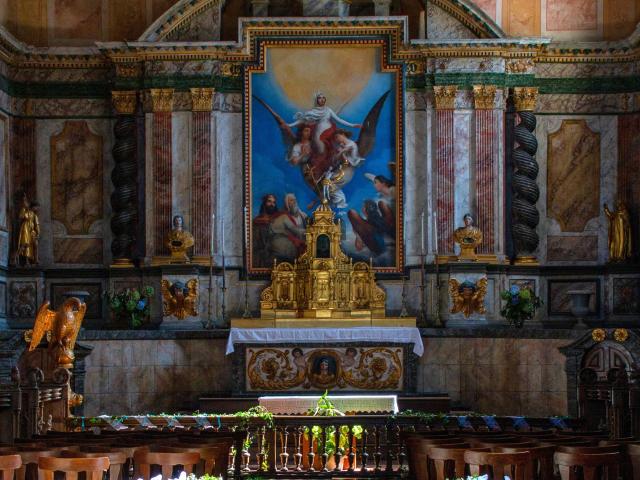
The chapel

The former chapel of the Augustinian convent, now a parish church, dates back to the 14th century.

It contains a number of curiosities, including

  • magnificent 15th-century oak choir stalls with carved “misericords” representing animals under the seats,
  • demons and vices,
  • Triangular medallions at the top of the backrests illustrate the trades,
  • a 19th-century painting on canvas depicting the Assumption of the Virgin Mary adorns the monumental altar and its 17th-century gilded wooden altarpiece
  • a remarkable 17th-century gilded wooden lectern
  • two 15th-century paintings on panelling – the Resurrection of Christ and the Assumption of the Virgin – crown the building.

Good to know

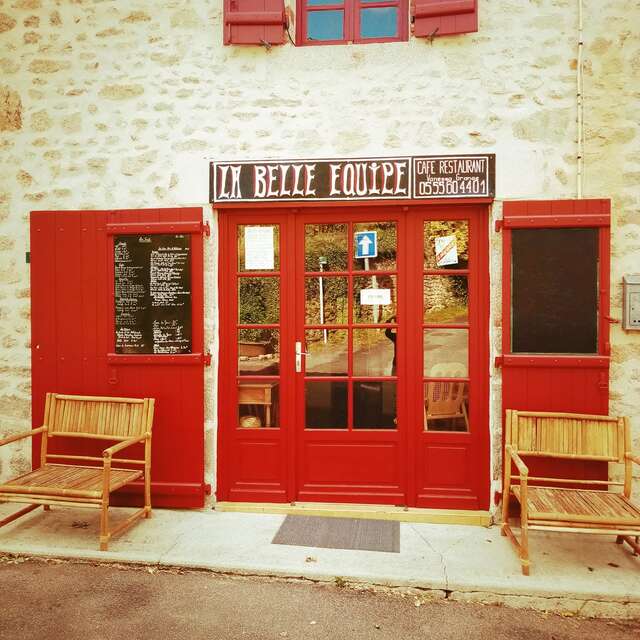
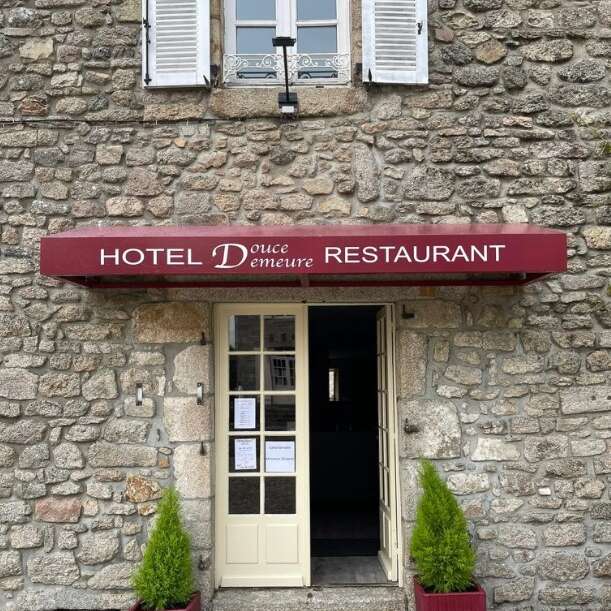
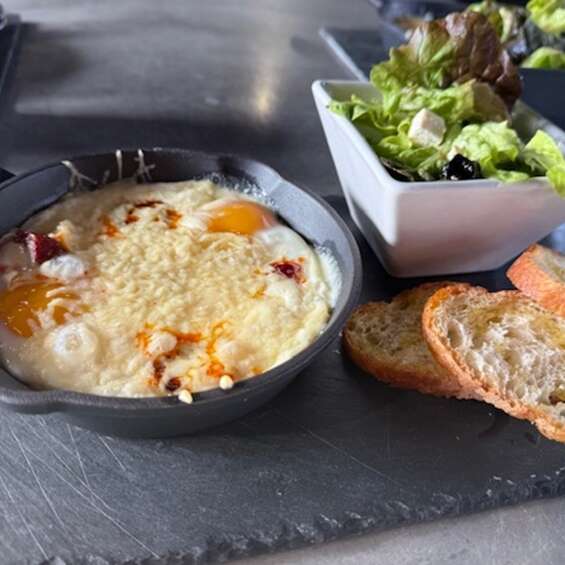
Catering on site
Home

The village has a free car park outside the village, on the way to Angoulême (also suitable for motorhomes).