Museums in Haute-Vienne10 places to slow down and get in touch with the material world

Top 10 Museums

Stepping through the doors of a museum in Limousin ’s nothing like a hurried dash through dimly lit corridors. Here, you sit down, listen to the clatter of an old printing press, breathe in the scent of tannin and watch the light glide over a sheet of kaolin paper. Take your time: today, you have nothing else planned but to let yourself be surprised.

Updated on 30 October 2026
At a glance

Plan interactif : 10 lieux répertoriés.

  • Adrien Dubouché National Museum
  • Leather City
  • Got Mill
  • Resistance Museum
  • Museum of Fine Arts
  • Museum of Art and History of Saint-Yrieix
  • Frac-Artothèque Nouvelle-Aquitaine
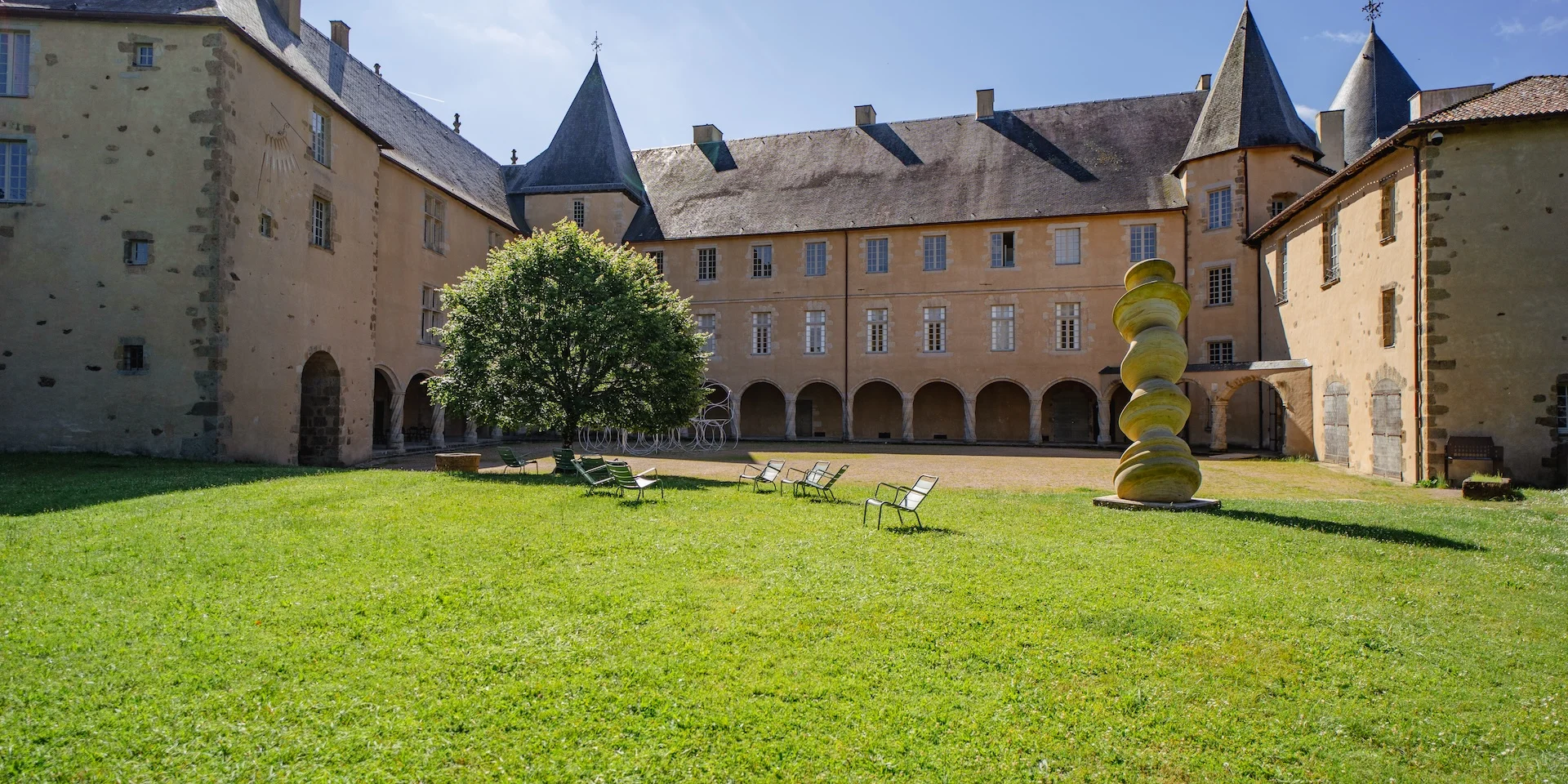
  • Château de Rochechouart, Haute-Vienne Museum of Contemporary Art
  • Cécile Sabourdy Museum
  • The Four des Casseaux Museum
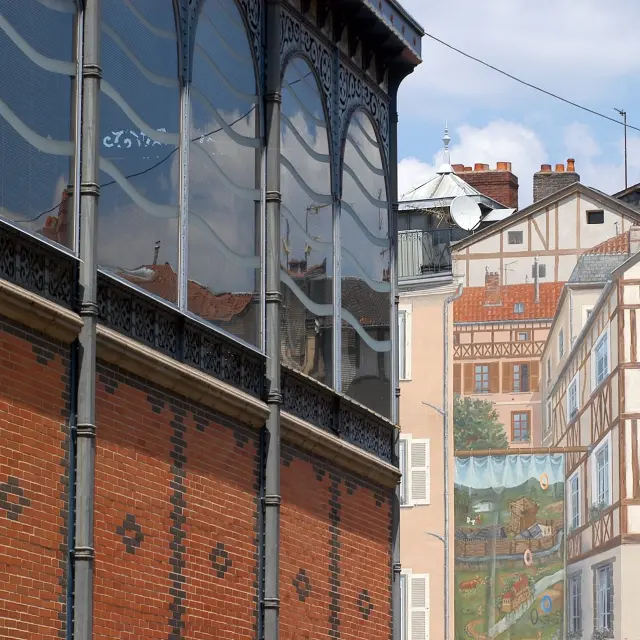
Adrien Dubouché National Museum

The Silence of Porcelain in Limoges

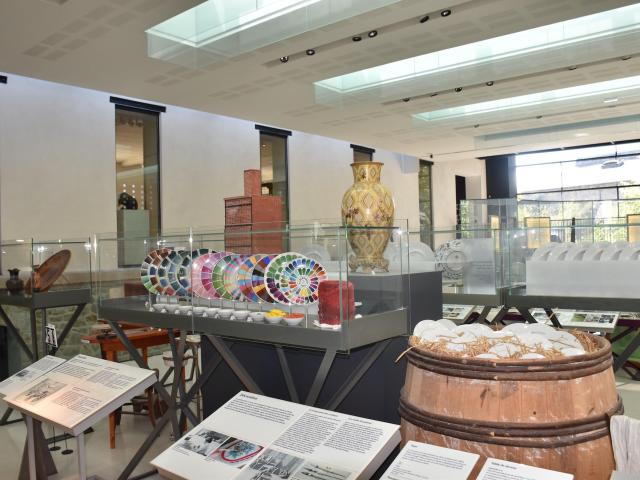
You enter here first and foremost for the light: the overhead light streams through vast glass roofs to fall upon thousands of white, translucent pieces, crafted from local earth.

There’s no need to take it all in at once. Sit down on a bench, let time slip by and choose a short tour on the app (‘I don’t want to see any plates’ to get off the beaten track). Here, you can admire the modellers’ virtuosity and the incredible finesse of the decorations without ever encountering the crowds found in the major national museums.

The City of Leather

The history of glove-making in Saint-Junien

As soon as you step onto the site of this former industrial area, now redeveloped along the River Vienne, the scent of leather hits you.

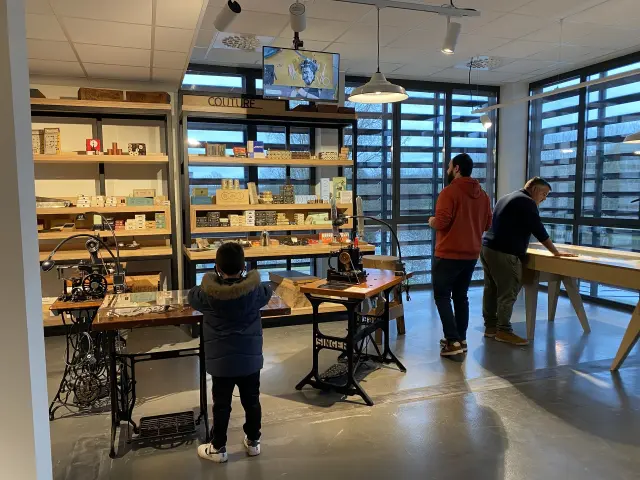
Opening at the end of 2025, the Cité du Cuir brings visitors into direct contact with the craftspeople: you can observe the meticulous techniques of luxury glove-making, the cutting templates and the razor-sharp blades. You can feel the textures — supple lambskin, chamois — and listen to the workers’ voices recounting the course of the river and the tanneries of yesteryear.

A direct, hands-on experience, free from academic filters.

The Moulin du Got

the sheet of paper soaked by hand

The rumble of the waterwheel sets the pace even before you step inside. At the Moulin du Got in Saint-Léonard-de-Noblat, you can experience the craft first-hand: watch the paper take shape in the vat, dip your own hands in to drain the flax or hemp pulp, and feel the dampness of the traditional drying rooms.

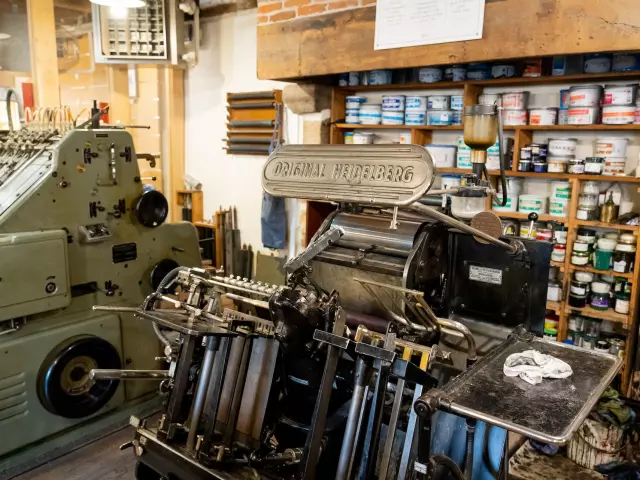
Further on, the pungent smell of printing ink and the steady metallic clatter of the old Heidelberg presses take you back to a time when printing a single page took a whole day.

The Resistance Museum in Limoges

faces and quiet struggles

Amidst the cobbled labyrinth of the Cité neighbourhood, this space was not conceived as an academic lesson, but as a collection of first-hand accounts.

Visitors pause before a clandestine letter scribbled deep in the woods, a liaison officer’s bicycle, and a silk parachute that landed in a meadow in the Limousin.

The emotion is raw, unadorned, and helps us understand the depth of commitment shown by the Maquis, who have left an indelible mark on these hills.

Limoges Museum of Fine Arts

fiery glazes and hanging terraces

Tucked away in the deep tranquillity of the former bishop’s palace, this place offers a respite from the hustle and bustle of the city.

The heart of the collection lies in the basement, opposite the display cases of medieval champlevé enamels and the vivid colours of the Renaissance pieces: emerald green, cobalt blue and fired-on gold highlights.

At reception, pick up a copy of the ‘L’humeur du baladin’ booklet to view just three or four of Renoir’s paintings, depending on your mood, before settling down on a stone bench in the terraced gardens overlooking the River Vienne.

Museum of Art and History of Saint-Yrieix

On the trail of white gold

Nestled within the birthplace of Dr Darnet — who, in 1768, identified the precious white clay used to make porcelain — the museum immerses you in the medieval atmosphere of a market town.

Amidst the ancient vaulted ceilings, you’ll come to understand why kaolin revolutionised the history of the department.

The Micro-Folie digital space then allows you to view major digitised paintings, without ever leaving the atmosphere of this well-preserved small town.

Frac-Artothèque Nouvelle-Aquitaine

contemporary art without rules

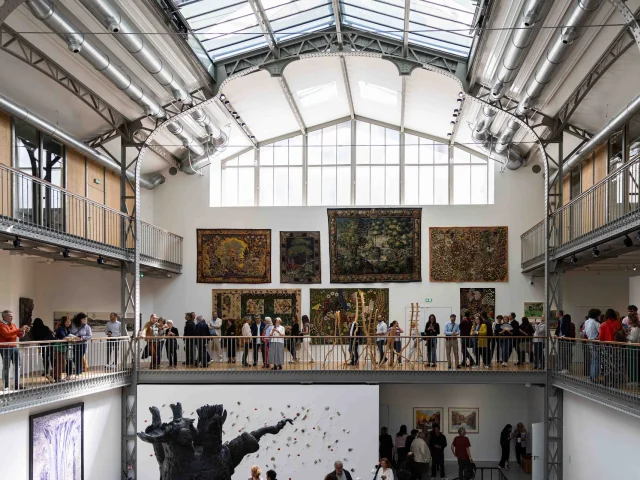
There are no pretentious rules here: situated in the heart of the pedestrianised area in a former printing works topped with a metal mesh design by Jakob+MacFarlane, the building simply invites you to contemplate.

Daylight floods the rooms, the spaces are vast, and entry is completely free.

You might pause in front of a photograph, settle into the immersive booth, or watch the comings and goings of members who’ve come to borrow an original artwork just as one might borrow a paperback.

Château de Rochechouart

when Dada lives in a stone fortress

You have to climb up onto the rocky outcrop to get a feel for the place: a massive medieval fortress, built with stones formed by the impact of a meteorite that fell two hundred million years ago.

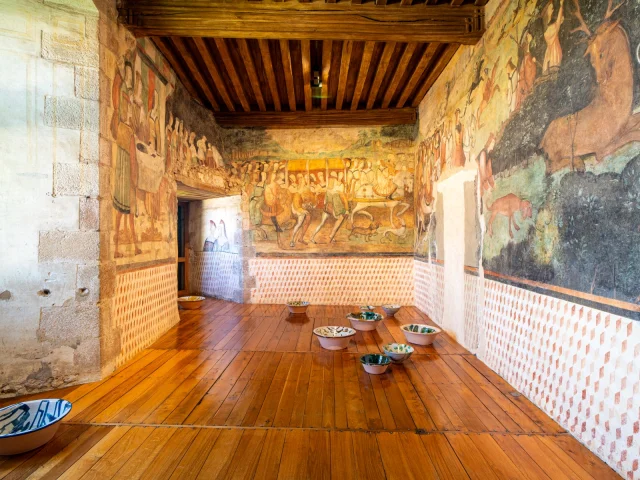
Inside, the contrast is striking: 16th-century wall frescoes stand alongside Raoul Hausmann’s Dadaist works and sculptures by contemporary artists.

As you gaze at a work of art opposite a loophole overlooking the hills of the Périgord-Limousin Regional Nature Park, you treat yourself to a genuine moment of escape.

Cécile Sabourdy Museum & Gardens

raw poetry in Vicq-sur-Breuilh

A few leagues away from the hustle and bustle, in the former vicarage of a small village in the south of Haute-Vienne, this museum champions the art of self-taught artists, eccentrics and amateur painters.

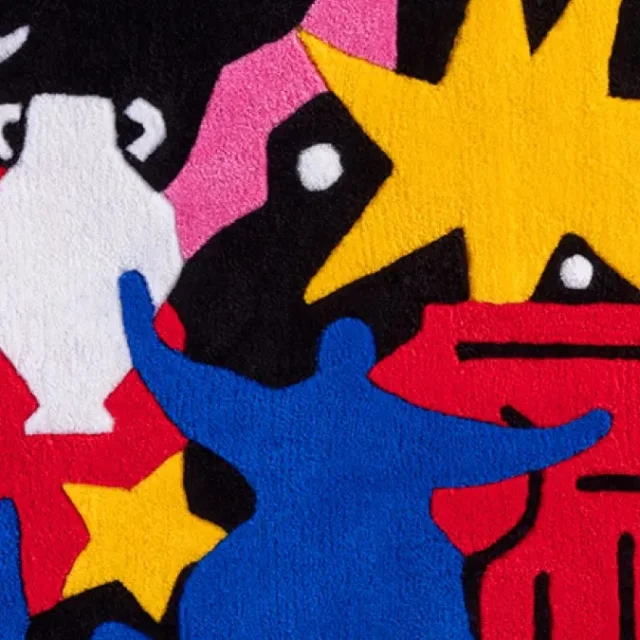
Cécile Sabourdy’s paintings depict the countryside in an unpretentious way: Limousin cows in the meadows and faces weathered by the earth.

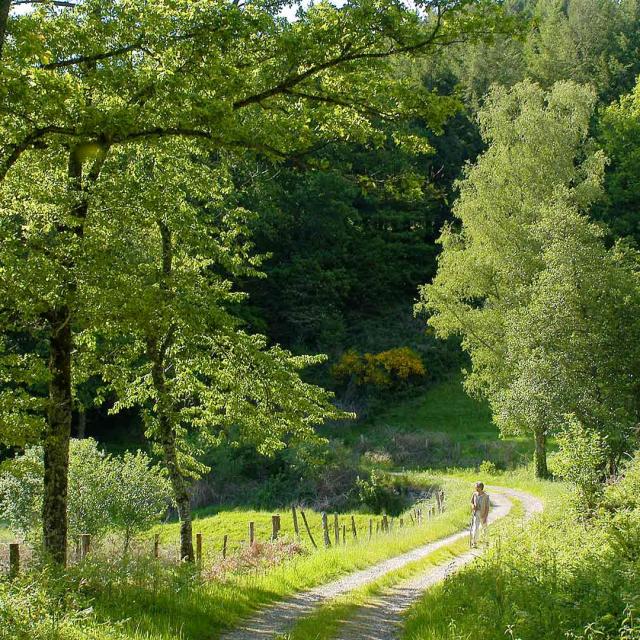
Extend your visit outdoors, strolling along the paths of the naturally maintained gardens, before heading to the village square to enjoy a coffee.

Casseaux oven

standing before the colossus of firebricks

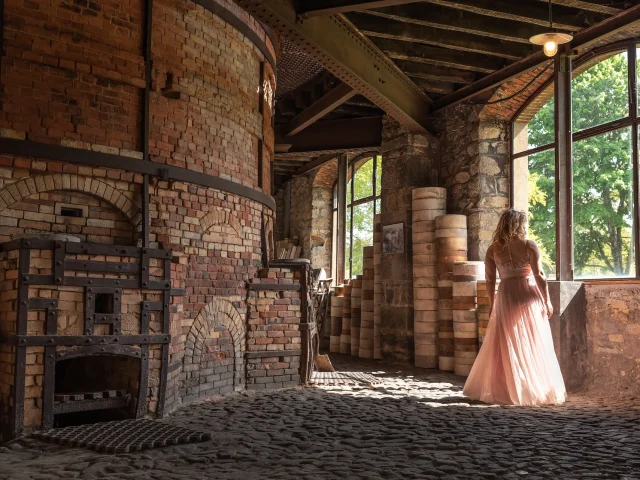
Standing at the foot of France’s last remaining large round inverted-flame kiln is a dizzying experience: a colossal red-brick chimney that once swallowed up 15,000 pieces of crockery per firing, fired at over 1,400 °C.

Looking at the shelves of firebrick, it’s easy to imagine the stifling heat and the synchronised movements of the kiln operators.

An unmissable stop by the river, best followed by a walk along the Vienne.