©

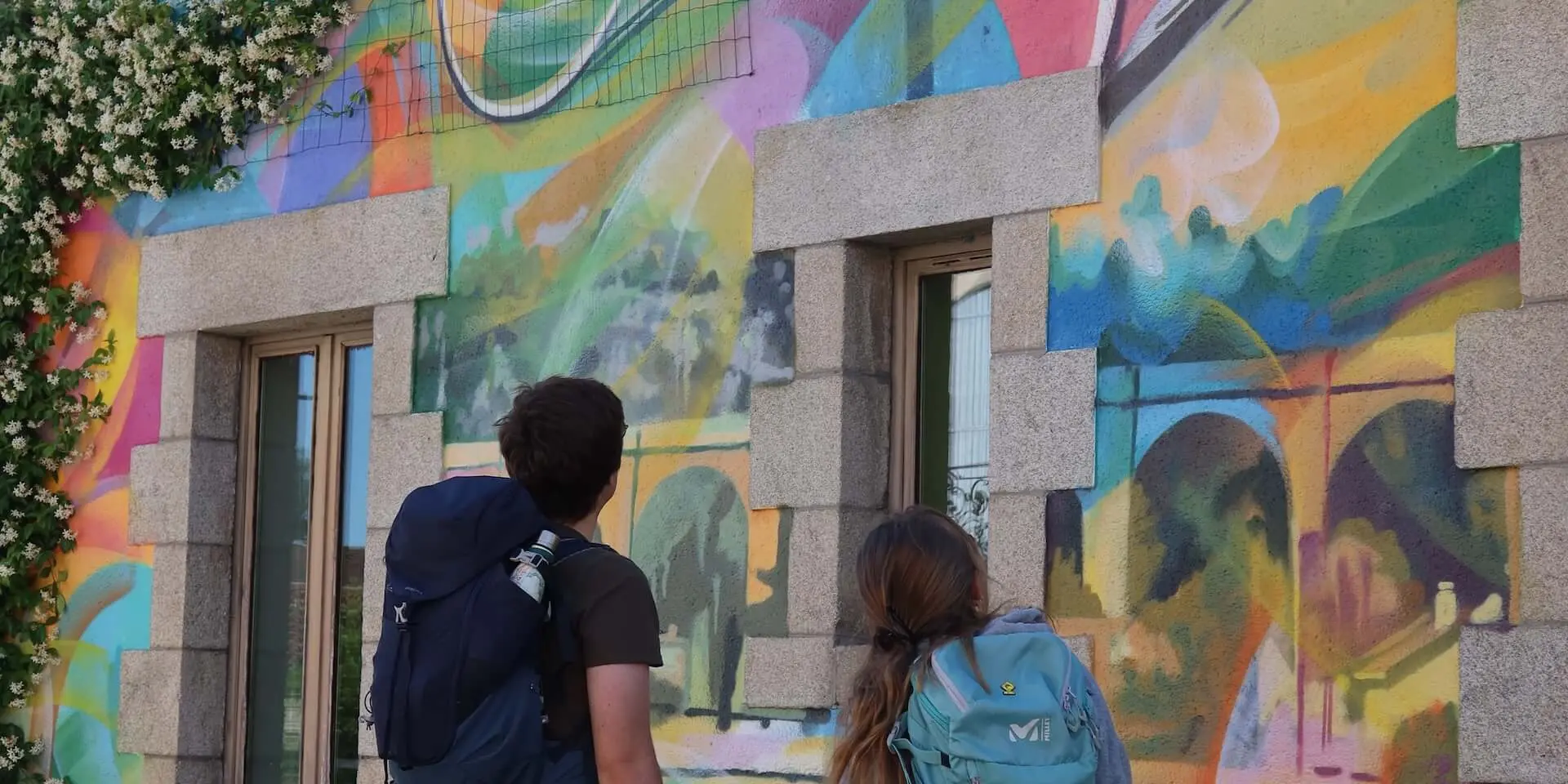
Saint Leonard De Noblat Tourist Office wall

|

visitlimousin

Top 5 nuggets from our touristsin Haute-Vienne

Top 5 nuggets from our tourists

Ajouter aux favoris
Every year, thousands of you push open the door of our tourist information offices, determined to discover the Haute-Vienne. And in the midst of this happy throng of explorers in search of good addresses, some visitors stand out… with unexpected questions or frankly memorable situations. Rest assured: we’re not making fun of them. On the contrary, these little gems are also part of the charm of our days at the reception desk. Because tourism isn’t just about maps and brochures: it’s also about great encounters between two visit tips. 😊

1. The famous lake tide

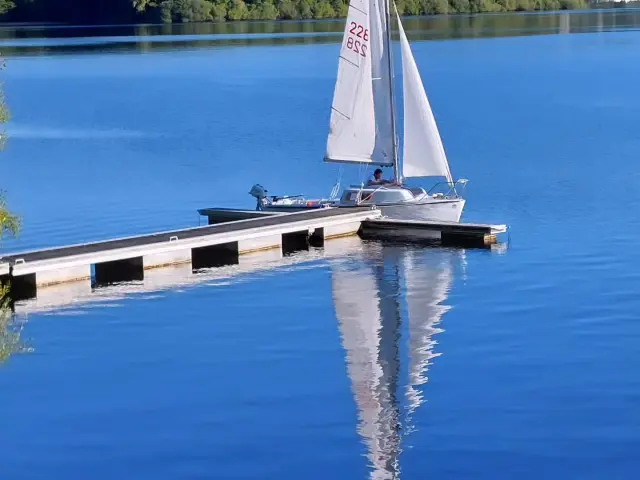
Saint-Pardoux

“Excuse me… is the tide high or low today?”

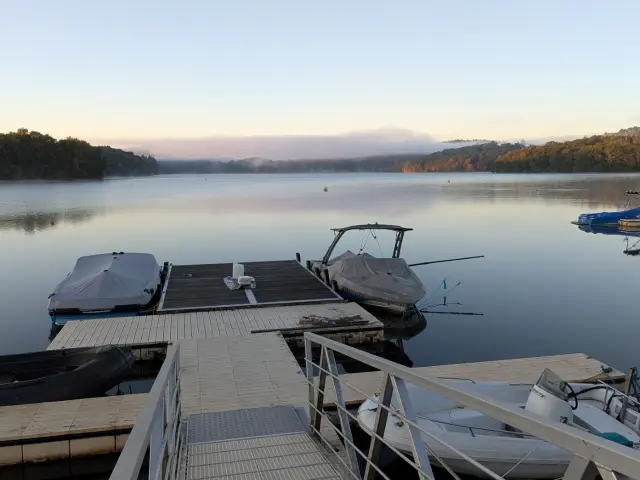
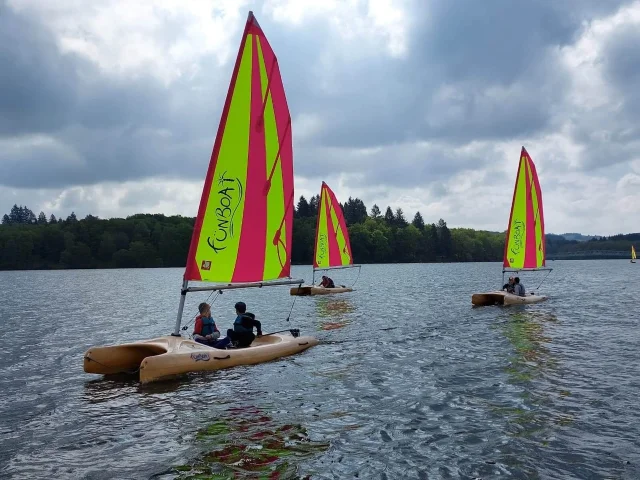
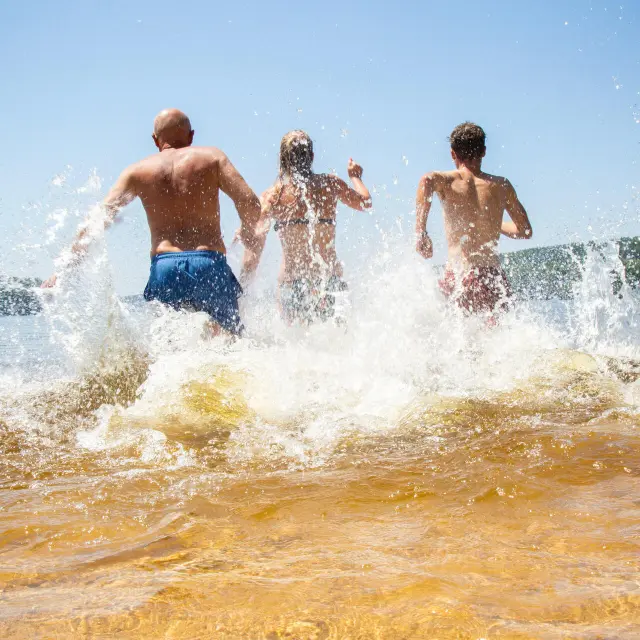
Silence at the counter. You then have to explain that, despite its beaches, water sports activities and seaside resort atmosphere, Lac de Saint-Pardoux is… an artificial lake. In other words: there’s no tide here 😅

So unfortunately, the big shellfish hunt will have to wait. There are no sharks, winkles or even periwinkles to be found between two beach towels. And there’s no risk of overturning your boat, because there’s no swell.

Fortunately, there are still sand castles to be built ⛱️

2. An original gift

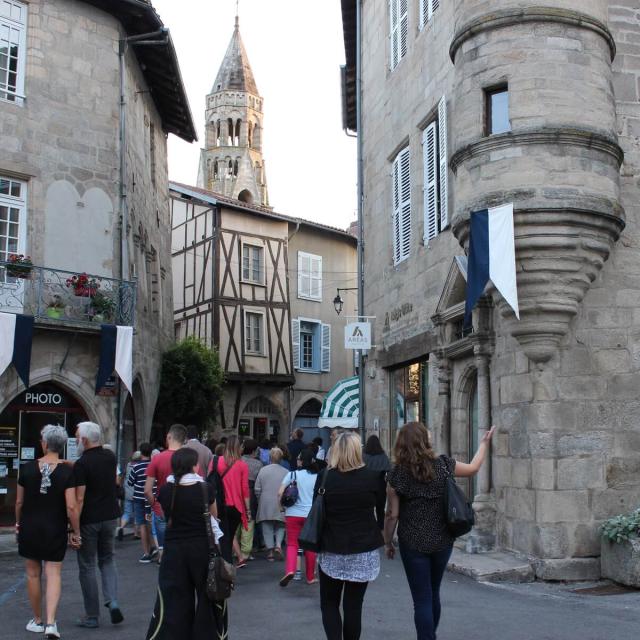
Saint-léonard-de-Noblat

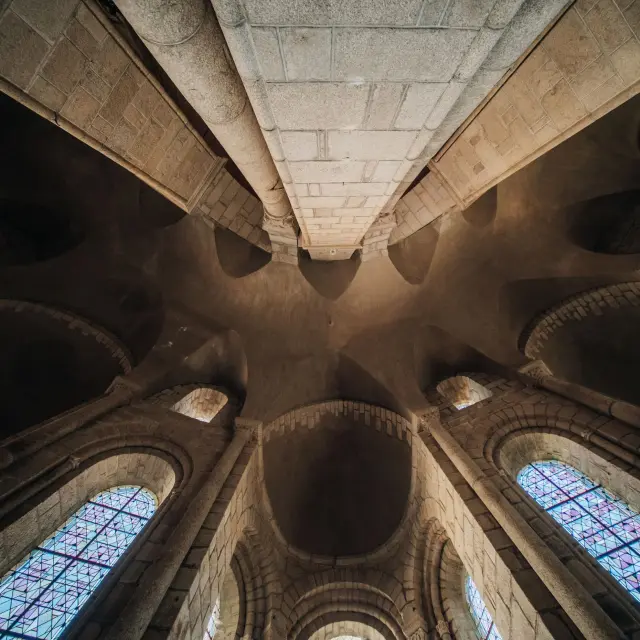
Visitors to Saint-Léonard-de-Noblat don’t just come to admire the magnificent Collégiale Saint-Léonard. The town is also an important stage on the famous Pilgrim’s Way to Santiago de Compostela.

Every year, many pilgrims pass through the tourist office to get their credential stamped, the little booklet that certifies their progress on the route, and to find accommodation for the night. Some arrive tired after several dozen kilometres… and others sometimes bring unexpected souvenirs.

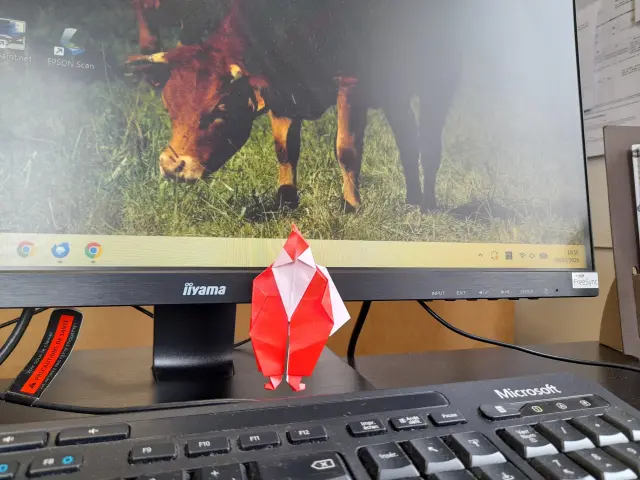
One day, a Japanese pilgrim, particularly grateful for the welcome he received, offered an origami. It was a simple gesture, but full of poetry (the origami is still on the desk today).

Because even though France is the world’s number one tourist destination, Japanese visitors are still extremely rare, which makes this kind of encounter all the more memorable 🗾

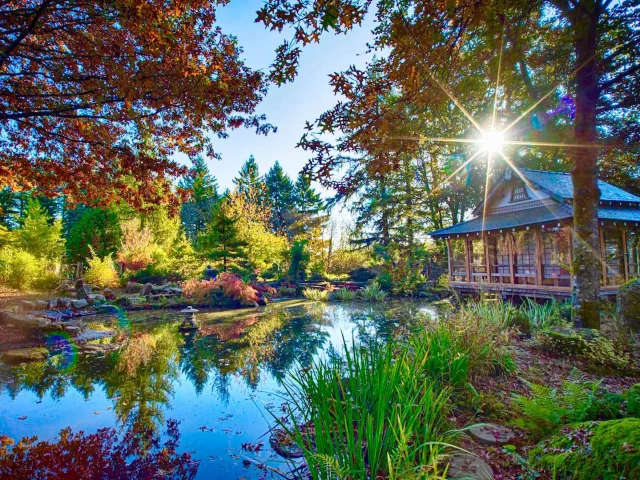
Ps: Fancy a bit of Japan in your everyday life? Discover the Fukutsu park in Bonnac-la-Côte (see second photo).

3. The lost meteorite

Rochechouart

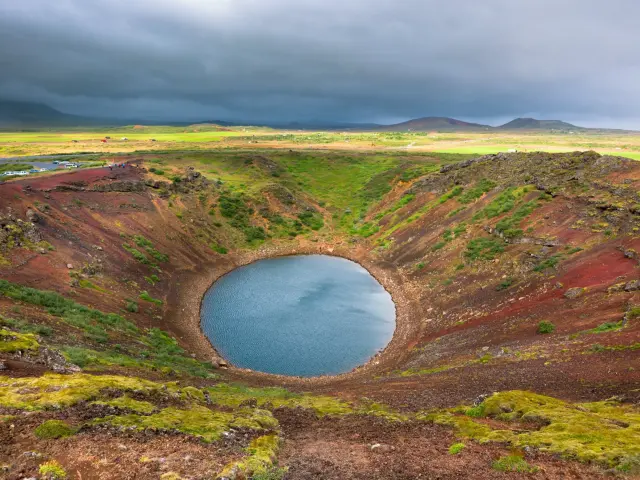
Can you see this crater in a photo? It’s not in Haute-Vienne. It’s the image you might have of a crater. But some are so big that it’s hard to see them… strange as it may seem.

In Rochechouart, one question comes up regularly at the counter:
“Where exactly can you see the meteorite crater?”

And that’s where the story gets interesting.

Because yes, a giant meteorite did crash here. About 206 million years ago, an asteroid about 1.5km in diameter came hurtling down and hit the Earth, creating a crater about 20km in diameter and causing a gigantic explosion 💥

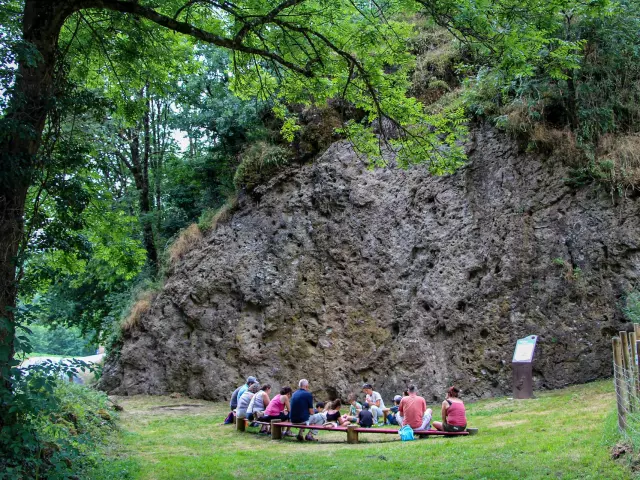
The problem is that 200 million years is enough time for the planet to clean up its act. Erosion, soil movement and vegetation have gradually erased the crater. So it’s impossible to see it with the naked eye. But it is possible to see traces of it for the discerning eye! (see photo no. 2)

Instead, you can see the traces left in the rocks, called impactites, formed when the meteorite fused with the ground under the force of the impact. Some houses are partially built from these impactites.

So no, there’s no longer a spectacular crater to photograph. But when you get right down to it, it’s perhaps even more incredible: you’re literally walking through an ancient crater… without even realising it ☄️

If you’re interested in this story, it’s all explained at the Maison de la Réserve in Rochechouart.

4. Ambazac better than Courchevel

Ambazac

“Hello? I’m planning my holiday in February. Could you give me the snow conditions and lift opening times, please?”

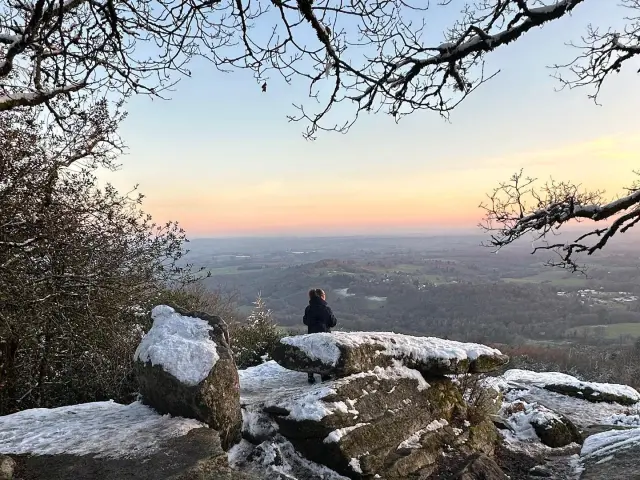
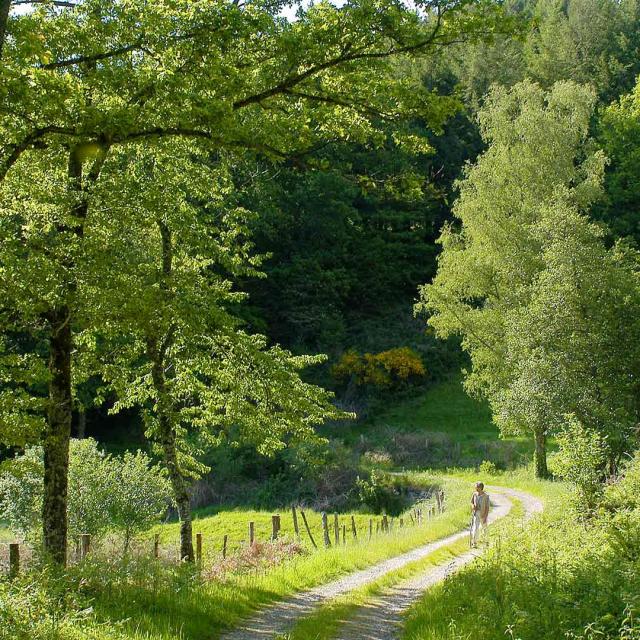
You can almost smell the mulled wine and the sound of bindings snapping at the other end of the line. The problem? In the Monts d’Ambazac, the only “lifts” you’ll find are the ones on your cardio when tackling a slightly steep slope on mountain bike or on foot 🥾

So we’re going to bust a myth: no, we don’t have chairlifts or ski passes, and even less black pistes dubbed ‘La Redoutable’. Here, the altitude peaks at 701 metres (at Signal de Sauvagnac). It’s sublime, it’s wild, but it’s not quite enough to host the World Downhill Championships.

At least we don’t have endless queues at the foot of the slopes, and above all… the scenery remains accessible free of charge all year round🌲

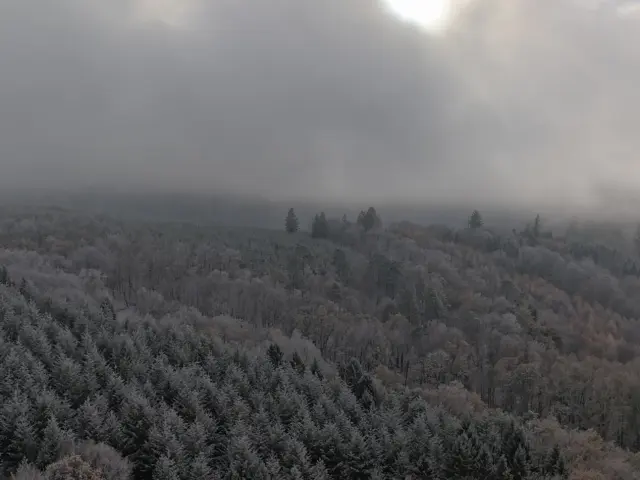
Ps: As for the snow, it depends on the mood of the sky: if it’s falling, it’s magnificent.

5. The mystery of the invisible sea

Rochechouart

A tourist contacts us: “Tell me, we’ve checked the itinerary for the gîte, but there’s a bug on my phone: I can’t see the sea on Maps. How many kilometres is it from the house?

How do you answer tactfully? 🧘

This is where you have to break the news: no, your app isn’t broken. It’s just that in Haute-Vienne, we’re more of a “heart of nature” than a “seafront” kind of place. To dip your feet in the salt water of the Atlantic, you’ll need to drive for about 2h30.

The person in question had confused Rochechouart with Rochefort… A happy mistake which, it seems, enabled him to discover the Haute-Vienne.

Of course, you won’t be able to see the ocean from your balcony, but here we replace iodine with the oxygen of the forests and the waves with the soothing lapping of our many lakes and rivers.

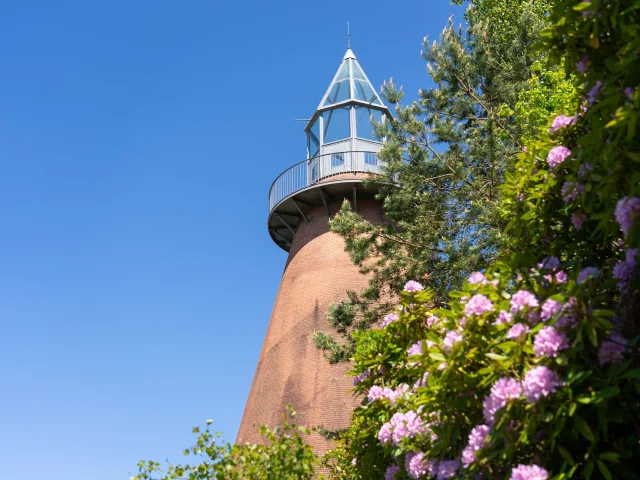
Ps: To discover a seaside atmosphere in the Haute-Vienne, we recommend Vassivière (and its lighthouse).