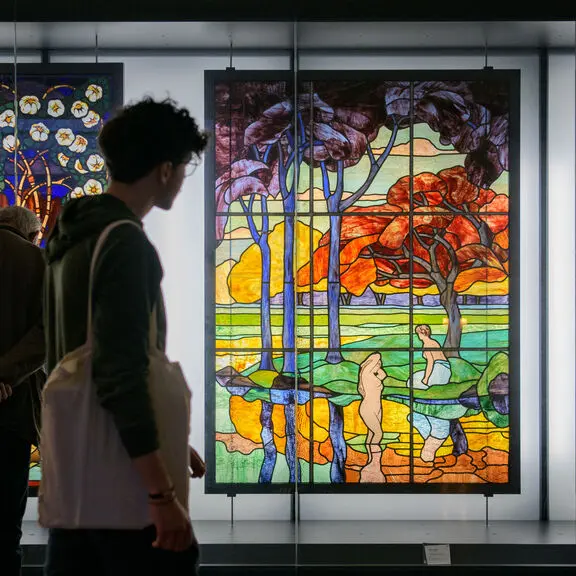
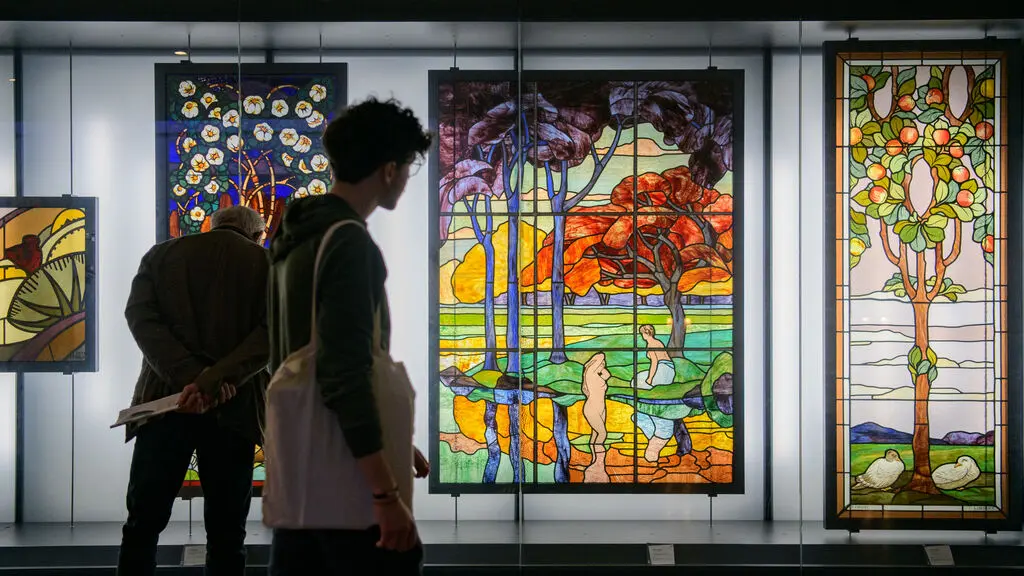
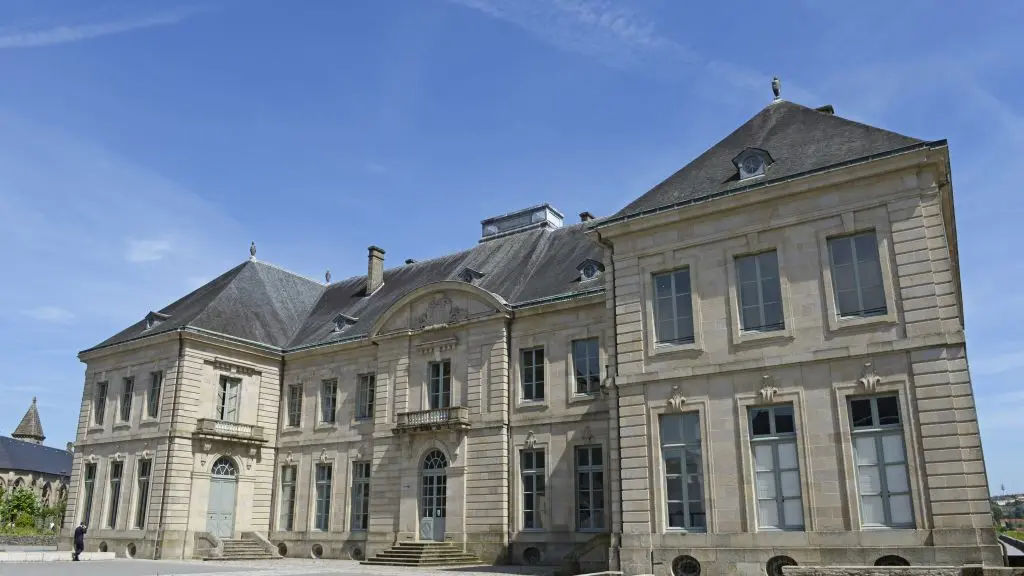
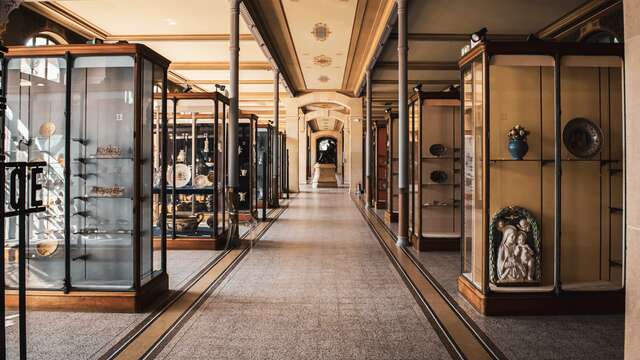
A former episcopal palace, this large 18th-century building designed by the Brousseau brothers is a real treasure trove. After serving temporarily as barracks and then as a hospital, its decorations were restored after the Concordat (1802) and completed during the 19th century: the chapel, for example, retained its altar surmounted by Suvée's painting of St. Louis venerating the relics of the Passion in its frame sculpted by Babel (1772), but in the second half of the 19th century received a neo-Romanesque tabernacle, tapestries, an Aubusson carpet and stained-glass windows.
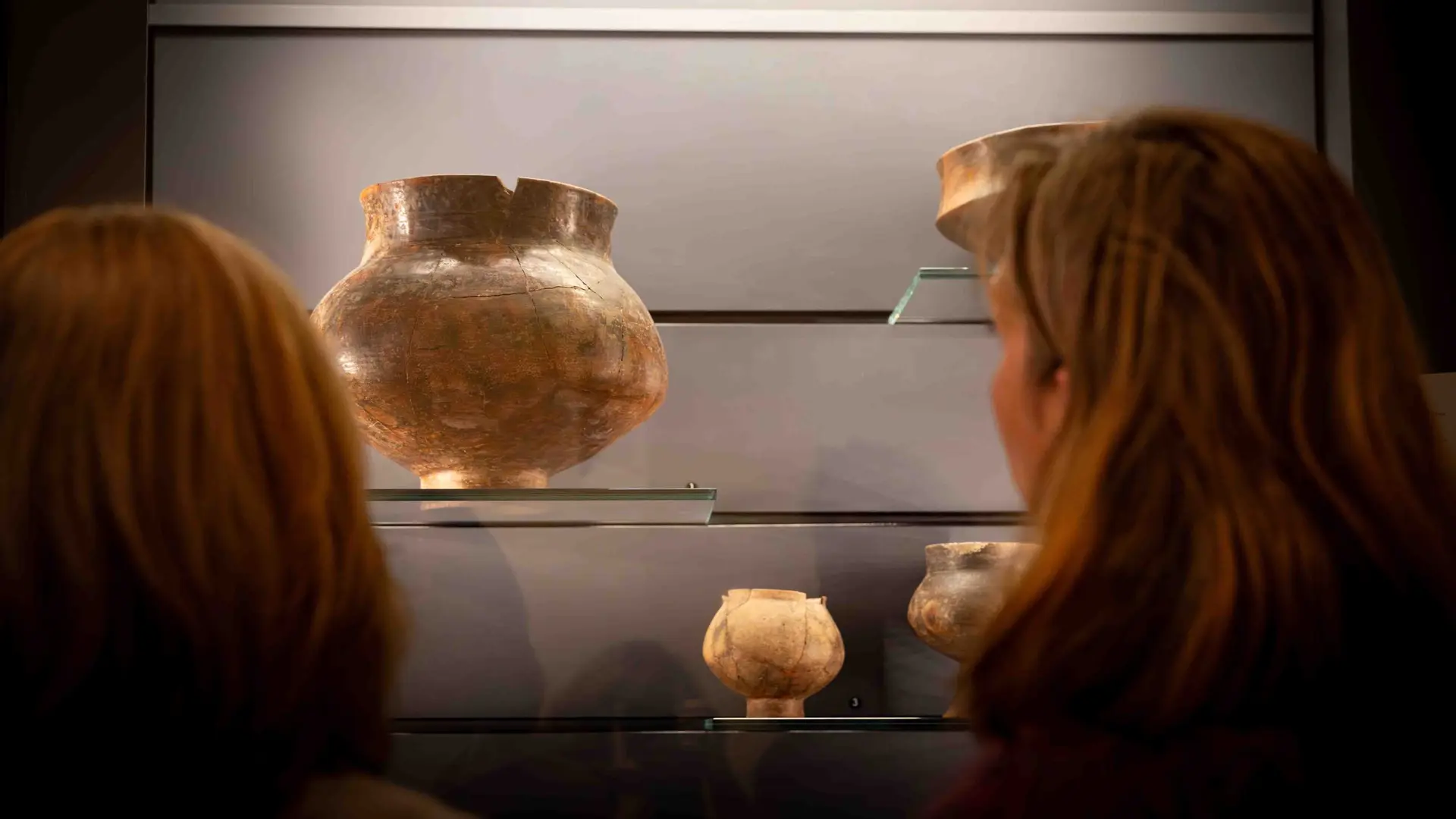
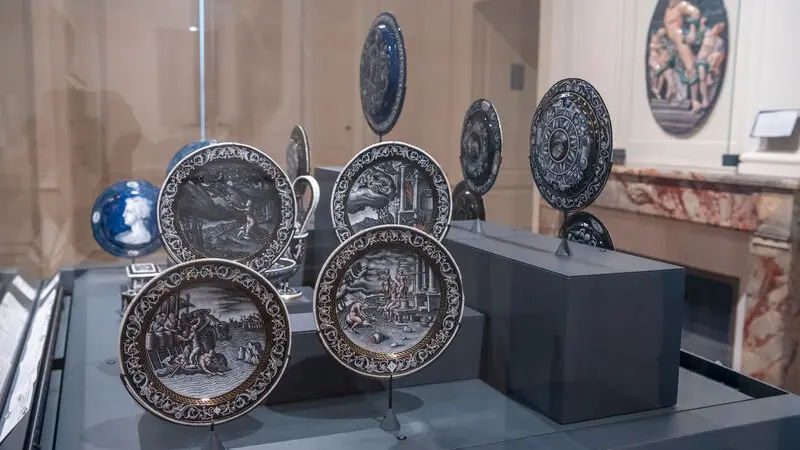
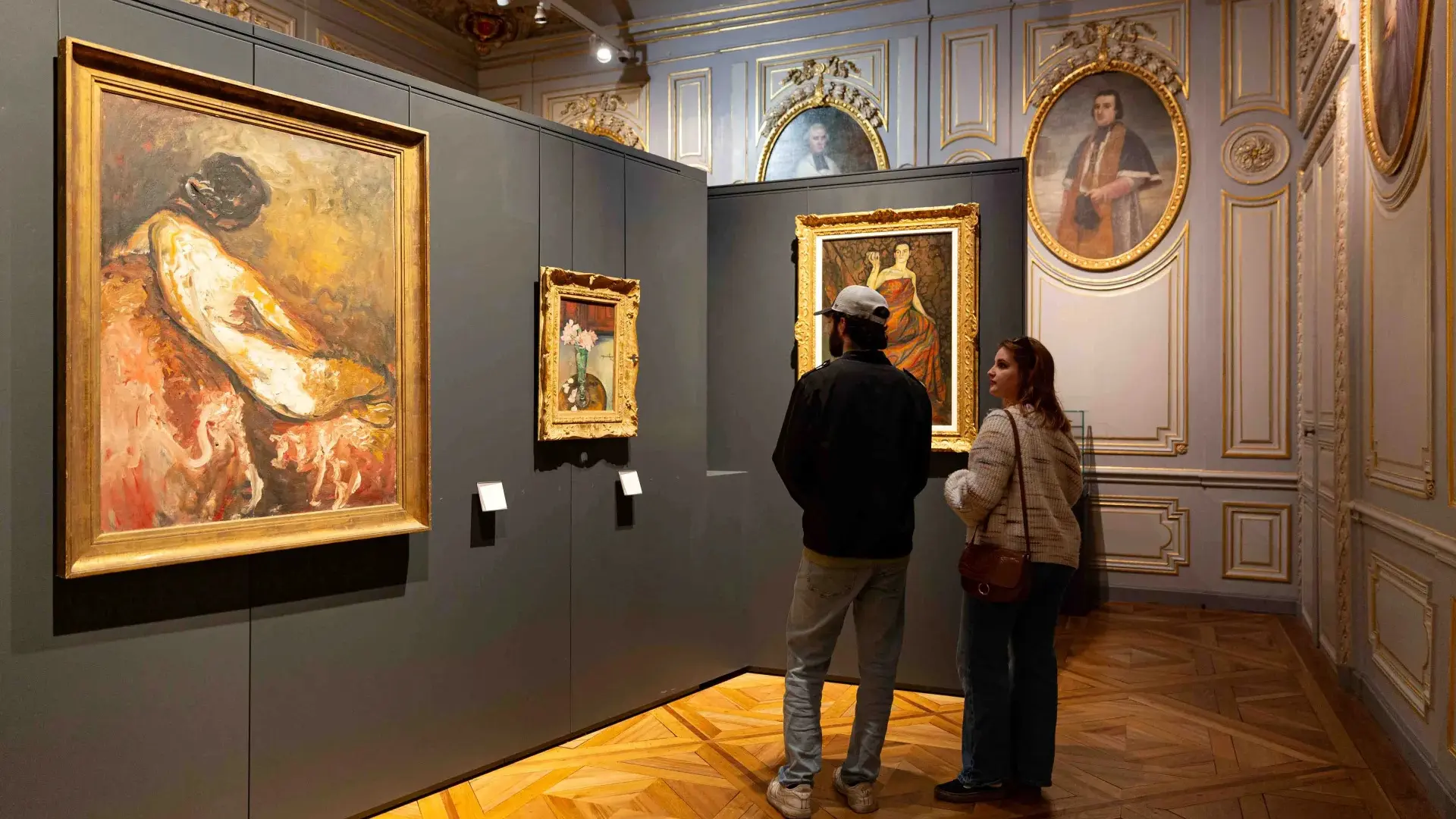
the museum's collection of enamels, unique in the world (champlevé copper enamel from the Middle Ages, painted enamels from the Renaissance, art-deco and contemporary enamels), impressionist paintings and objects from the depths of time (from Gallo-Roman Limoges to ancient Egypt) are all on display free of charge.