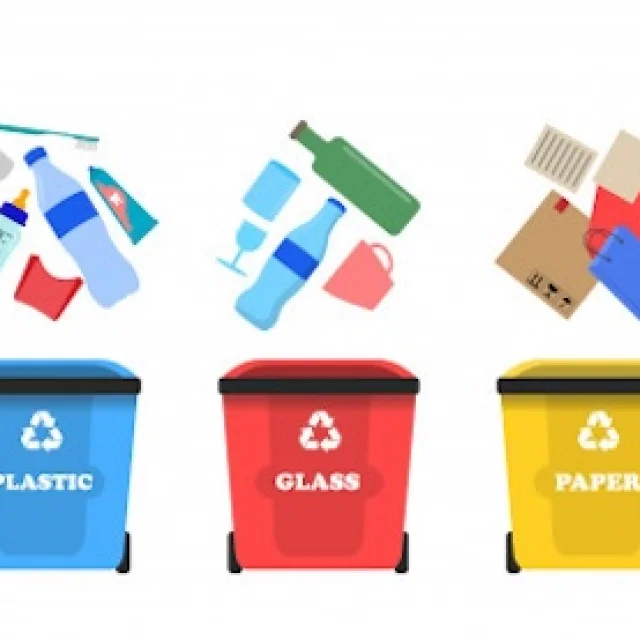
Waste SortingWaste Sorting
©Waste Sorting
The toolsFor waste and water management

Waste and water management

Ajouter aux favoris
Find the tools you need to better understand and implement waste and water management in your tourist establishment in Haute-Vienne.

Waste management

SYDED 87 offers tourism professionals comprehensive, tailored support to help them reduce and recycle their waste. In line with the “zero waste” approach, practical tools (guides, tutorials for making homemade products and reducing waste at source) are available for individuals and tourist facilities. Sorting is made easier thanks to clear instructions from eco-points: mandatory emptying of containers, folding of cardboard, ban on interleaved or washed packaging and targeted collection of brown cardboard from 1ᵉʳ July 2025.
For professionals, SYDED offers concrete solutions: setting up selective sorting, composting with the loan of composters and personalised support to recover bio-waste, reduce the weight of dustbins and raise customer awareness.

Other guides have also been published, offering accessible solutions for all types of business.

You can find all these tools in the buttons below to help you manage waste in your tourist establishment.
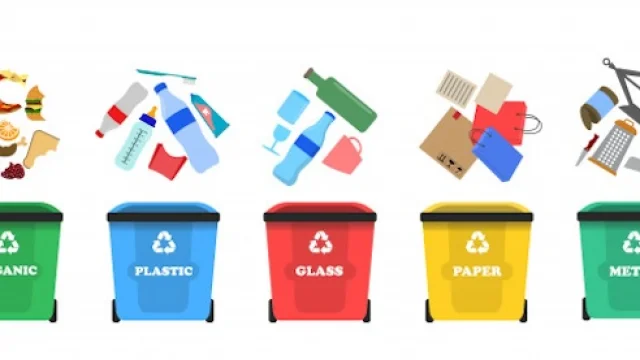
Water management

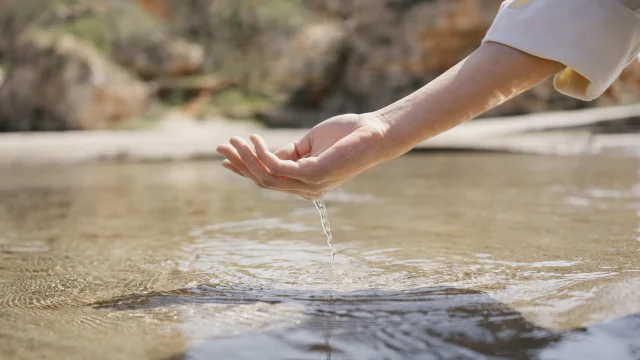
7 220. That’s the length in kilometres of the surface water network in Haute-Vienne! Often referred to as “France’s water tower”, our green landscape proudly embodies this image. But this natural wealth is based on a fragile balance, forged by a unique geology: eroded alterites and cracked granites form a subsoil where water, absorbed and then relayed to springs, cannot be stored for very long – often less than one or two months’ consumption.

In this region, water does not come from vast underground aquifers: it gushes out of granitic fissures, becoming the springs so characteristic of the Limousin. In the face of recent rainfall deficits, preserving this vital resource is an imperative that is as much about sustainability as it is about identity. Through responsible management, an appropriate ecological transition and a shared commitment, we can make the most of this water as a genuine territorial asset.

Discover our toolbox for understanding, raising awareness and acting together to promote responsible water management.